WILLIAM JOHNSON 1880-1938 Antique Wood Iron Bulb Planting 1800S Dibble Newark
( Brand: William Johnson ), ( Model: WILLIAM JOHNSON 1880-1938 ), ( Color: Brown ), ( Item Length: 10 1/2 In ), ( Personalize: No ), ( Type: Garden Hand Tool ), ( Country/region Of Manufacture: United States ), ( Tools Included: Planting Dibble ), ( Item Weight: 1 Lb ), ( Manufacturer Part Number: 1880-1938 )
Review WILLIAM JOHNSON Antique Wood And Iron Bulb Planting Dibble Newark Nj
Antique 1800s William Johnson 1880-1938 Iron Bulb Planting Dibble - Newark, NJ
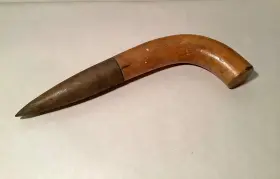
Step into the past with this authentic 1800s antique iron bulb planting dibble, a gardening tool crafted by the renowned Newark, New Jersey manufacturer, William Johnson, between the years 1880 and 1938. This exceptional piece showcases the industrial artistry and craftsmanship of the late 19th and early 20th centuries.
Measuring approximately 14 inches long, this dibble consists of a sturdy, hand-forged iron head with a bulbous tip, designed for effortlessly piercing through the soil to create perfect holes for planting bulbs. The head is adorned with intricate decorative details, including a series of diagonal lines that add character and appeal to this functional antique.
The shaft of the dibble boasts a smooth, polished finish, which not only enhances its aesthetic value but also ensures a comfortable and secure grip. Crafted from high-quality hickory wood, the shaft is both durable and lightweight, providing the perfect balance for efficient and effective use in the garden.
The William Johnson 1880-1938 Antique 1800s Iron Bulb Planting Dibble is an excellent addition to any gardening enthusiast's collection or a charming decorative piece for your home. Its rich history and timeless design make it a cherished and conversation-starting item that will transport you back in time.
Care Instructions: To maintain the integrity and longevity of this antique gardening tool, we recommend storing it in a dry place when not in use. Periodically applying a coat of wax or oil to the wood shaft can help preserve its appearance and protect it from moisture damage.
Buying an Antique 1800s Wood Iron Bulb Dibble by William Johnson: A Detailed Analysis
1. Historical Value and Aesthetics:* Pro: This antique dibble, manufactured by William Johnson, adds character and charm to any garden or home. It has a rich history dating back to the 1800s, which can be an intriguing conversation starter.
* Con: The primary use of this dibble for planting bulbs may not be as practical as modern bulb planters due to its age and design.
2. Durability and Maintenance:* Pro: Antique wood iron tools like this dibble are known for their durability, and the wooden handle provides a comfortable grip for use. Regular maintenance, such as oiling the iron parts and keeping the wood handle dry, can help preserve its condition.
* Con: Due to its age, the dibble might require more maintenance than modern tools. The wooden handle could potentially rot or crack over time, and the iron parts may develop rust.
3. Functionality and Practicality:* Pro: The dibble is still functional for planting bulbs, albeit with more effort and time compared to modern tools. It can be used to create small holes for bulb planting, making it a useful addition for those who prefer a more traditional gardening approach.
* Con: The dibble's design may not be as efficient as modern bulb planters, requiring more manual labor and potentially more time for bulb planting projects.
4. Sustainability and Eco-Friendliness:* Pro: Antique wood iron tools like this dibble are generally made from sustainable materials, as the wood was likely sourced from forests that have since grown back. Additionally, they can be used for many years, reducing the need for frequent replacements.
* Con: While the dibble itself is sustainable, the process of shipping it from Newark to your location contributes to carbon emissions.
5. Cost and Value:* Pro: Antique tools like the 1800s wood iron bulb dibble by William Johnson can be found at various prices depending on their condition. A well-preserved piece can be considered a valuable investment for those who appreciate history and unique gardening tools.
* Con: The cost of the antique dibble might be significantly higher than modern bulb planters, which could be a deterrent for some potential buyers.
In conclusion, the antique 1800s wood iron bulb dibble by William Johnson offers a unique blend of historical value, durability, and character. While it may not be as practical or efficient as modern bulb planters, its charm and potential for sustainable use make it an intriguing choice for gardeners and collectors alike. Ultimately, the decision to buy this antique dibble depends on personal preferences, budget, and the desire for a more traditional gardening experience.
Details:
Antique 1800S wood Iron Bulb Planting Dibble William Johnson Newark NJ, Marked NJ see photos. Most likely manufactured between 1880-1938 Marked William Johnson Newark NJ see photos.
part #: 18801938 price
- $180.00
specifications gardepatch:
- brand: William Johnson
- model#: WILLIAM JOHNSON 1880-1938
- color: Brown
- item length: 10 1/2 In
- personalize: No
- type: Garden Hand Tool
- country/region of manufacture: United States
- tools included: Planting Dibble
- item weight: 1 Lb
- manufacturer part number: 1880-1938
payments gardepatch:
- wallet: Google-pay
- credit card: Mastercard
- other
offer gardepatch:
- options: Ship-to-home
- quantity: 1
- started: May 23, 2025
- sold: 0
- availability: In Stock
shipping gardepatch:
- service: USPS Ground Advantage
- type: Fixed
- transit: 5-11 Days
- class: Standard
- cost: $7.95
- carrier: USPS
seller gardepatch:
- city: Rumson, New Jersey
- rating: 99.8%
- # reviews: 5430
general gardepatch:
- Yard, Garden Outdoor Living > Garden Hand Tools Equipment > Garden Tool Sets
- condition: Used
returns gardepatch:
- policy: No Returns
William Johnson 1880-1938 Is Similar To:
- William Johnson 1800-1850 Antique Iron Tobacco bulb Planting Dibble Newark Nj (80.7% similar) The brand, William Johnson, is known for their quality garden tools and this dibble no exception. The William Johnson newark 1800-1850 model is a cast iron finish and comes with one piece...(September 26th, 2024)
- Robert Frederick Rfs15041 Orange Grove Gardening Tool Set Fork And Trowel William Morris (12.8% similar) Whether planting delicate flowers, tending to herbs, or maintaining a vegetable patch, these tools are versatile and reliable for various gardening tasks. Item dimensions: 10.63 l x 2.76 w 1.18 inches. The hand fork and trowel are incredibly sturdy ergonomically shaped to reduce strain...(March 4th, 2026)

1 offer $180.00 USD
- Used. Offer #1 priced at $180.00 + $16.00 delivery = $196.00* total. Excellent working condition and complete with bank plug This Book of Knowledge reproduction is one of the best outside the original.+$16.00 shipping